For those unfamiliar, how would you describe what bee venom therapy does in the body?
Bee venom is a powerful and complex substance that has over 60 different compounds that are medicinally active in the human body. There are studies that show it can be effective for Lyme disease, EBV, autoimmunity, Alzheimer’s, Parkinson’s, arthritis, and breast, prostate, and ovarian cancer. The mechanisms of action are complex, but I like to break it down into general categories of action:
- Kills hard-to-treat bacteria and viruses and can break through the biofilms that surround them
- Helps rebalance the immune system, reducing autoimmunity and improving resilience
- Kills abnormal cell forms while sparing healthy cells
- Easily crosses the blood-brain barrier, allowing it to repair dopaminergic neuron communication and improving neuroplasticity
You’ve described bees as more than just insects, as an intelligent medicine system. What have they taught you about healing? And what do you wish people understood about bees?
Bees have taught me that healing is relational. The bees are so deeply in relationship with each other and the world around them and they are devoted to service of the greater good. They began evolving 150 million years ago. They are our planetary elders and have shaped the evolution of plants, are crucial to the survival of humanity because we are reliant on them for pollination of food crops, and are such good examples of symbiosis and reciprocity in nature. The bees are so brilliant; they have created an entire medicine system within the hive, and the coolest part is that we can look at how the bees use different hive medicines and draw corollaries to how they can benefit human health as well. Honey is the alchemy of sunlight into plants into nourishment. It contains the medicinal benefits of plants paired with the enzymatic power of the bees. Propolis is the defense and immune system of the hive and it’s so supportive for the human immune system as well. It is made of the sap and resin from trees and plants, and is an incredible antibacterial, antiviral, antifungal. Bee pollen is a source of hyperlocal nourishment and energy for the bees, and it works for us in the same way. It is a rich source of energy-supportive B-complex vitamins and can help with adaptive immunity and allergies.
What does a typical day of nourishment, movement, and self-care look like for you?
Every day starts with breathwork and meditation. I do 30 rounds of 3-part breath and then 20 minutes of Vedic meditation. I find the breathwork helps to clear resistance and allows me to drop into meditation more easily. For movement, I love to start the day with yoga. I started practicing and teaching when I was 14 and it immediately felt like home to me; it works so well for my body and brain. I grew up doing ballet, so I also love all forms of dance. I like to run a few times a week, but I’m a very chill runner—just a nice slow 3–4 miles is so great for mental clarity and energy. I also have been adding in more strength training recently.
My relationship to nourishment has transformed so much over the years. I first got sick when I was 7 years old, so from a very early age I started to understand the importance of healthy food as a foundation for my life. I have tried just about every healing diet and protocol over the years; I have tried raw veganism, keto, carnivore, AIP, water fasting, juice and broth fasting, low histamine, low lectin. They all served their purpose for a time, but I think equally important to the food itself is your relationship to it. I now have a much more fluid relationship with nourishment and my body is so much more resilient. I still generally avoid gluten and dairy, but have so much more flexibility in relationship to food. I’m not rigid, but I love fresh, simple food. Getting inspired at the farmers market and cooking a meal with whatever is in season always makes me feel happy.
For self-care practices, I love a lot of Ayurvedic practices. I was the brand director for an Ayurvedic brand called Surya for many years and learned so much from the Ayurvedic doctor, Martha. I love doing oil pulling, tongue scraping, coffee enemas, dry brushing, and abhyanga self-massage. I also do a lot of red light therapy and sauna.
Are there any go-to foods, supplements, or practices that you rely on to support your health?
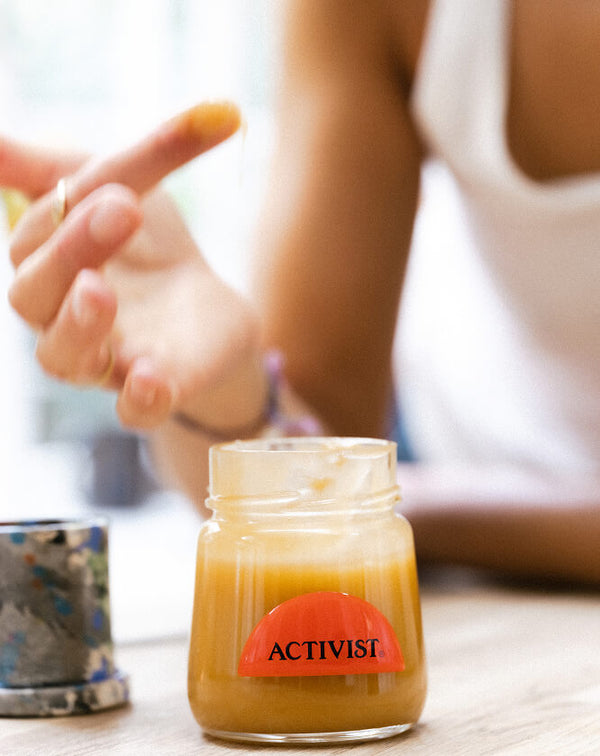
I am a bit of a self-experimenter and love the science of health so I’m always researching and trying new things to support my health like NAD injections, stem cells, and ozone therapy, but I always end up returning to the basics. A consistent yoga practice, lots of greens and protein, and time with the bees and in nature consistently make me feel great. Lately my supplement routine has been focused on brain health and clarity, so I’ve been doing saffron, nicotinamide riboside, omega-3s, creatine, and magnesium L-threonate. I just moved to New York and have been experiencing seasonal allergies for the first time, so I’m using the ACTIVIST Mānuka Immune Elixir, stinging nettle, quercetin, and bromelain to help support my immune system. My acupuncturist and dear friend Nick Ciraldo is incredible and always helps reset my energy when I’m feeling off. I also love bodywork and breathwork.
How do you like to incorporate ACTIVIST into your daily ritual?
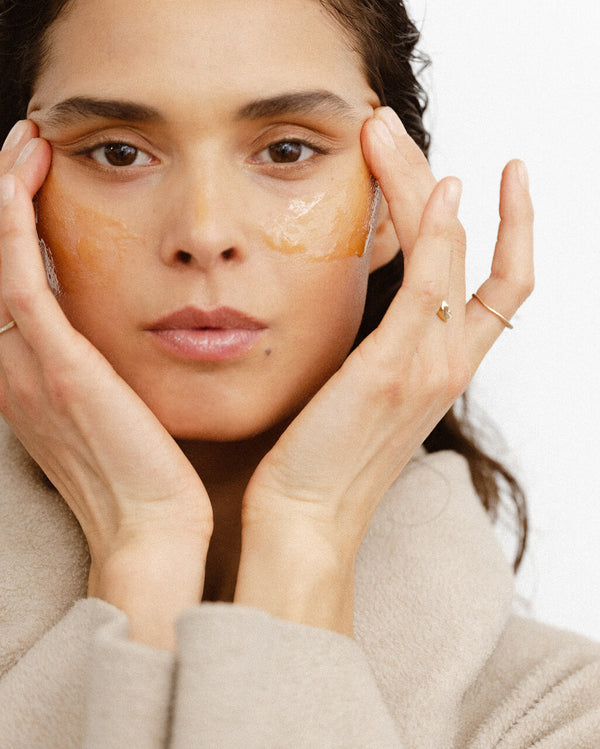
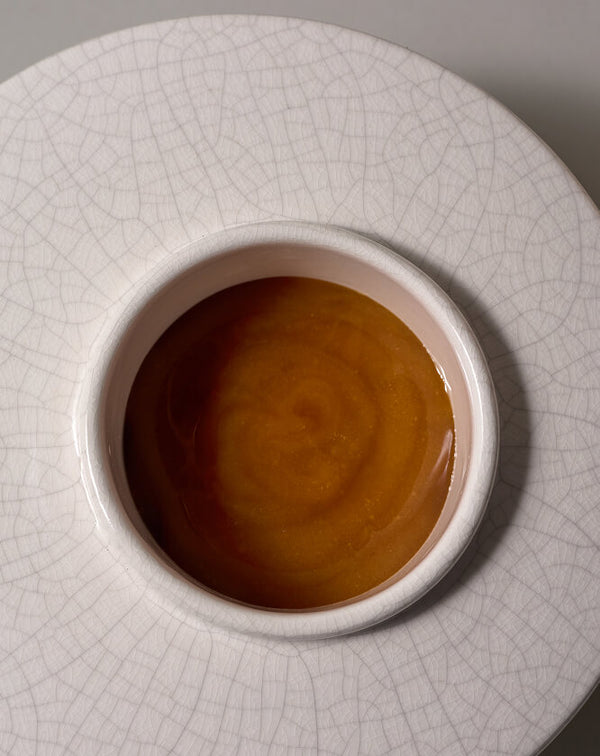
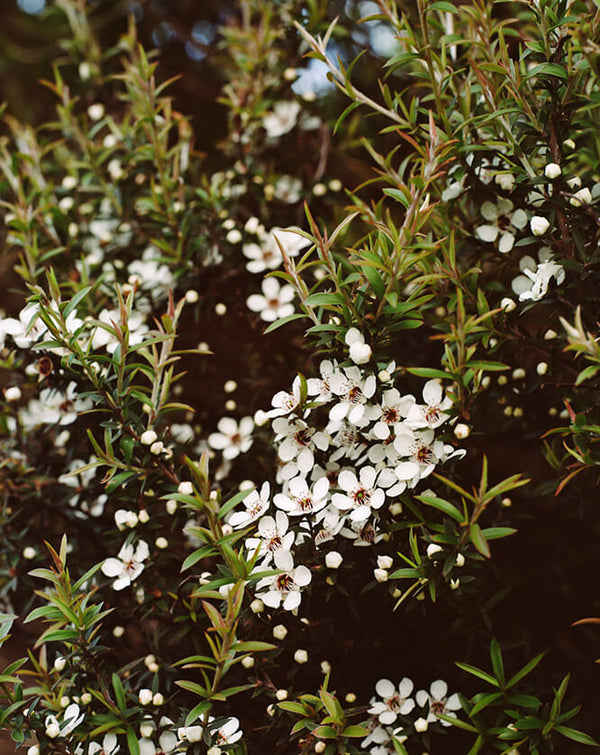
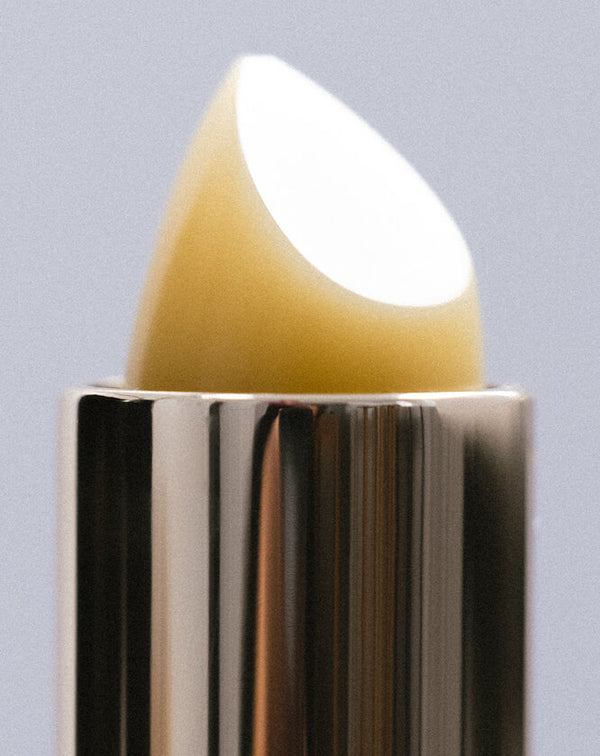
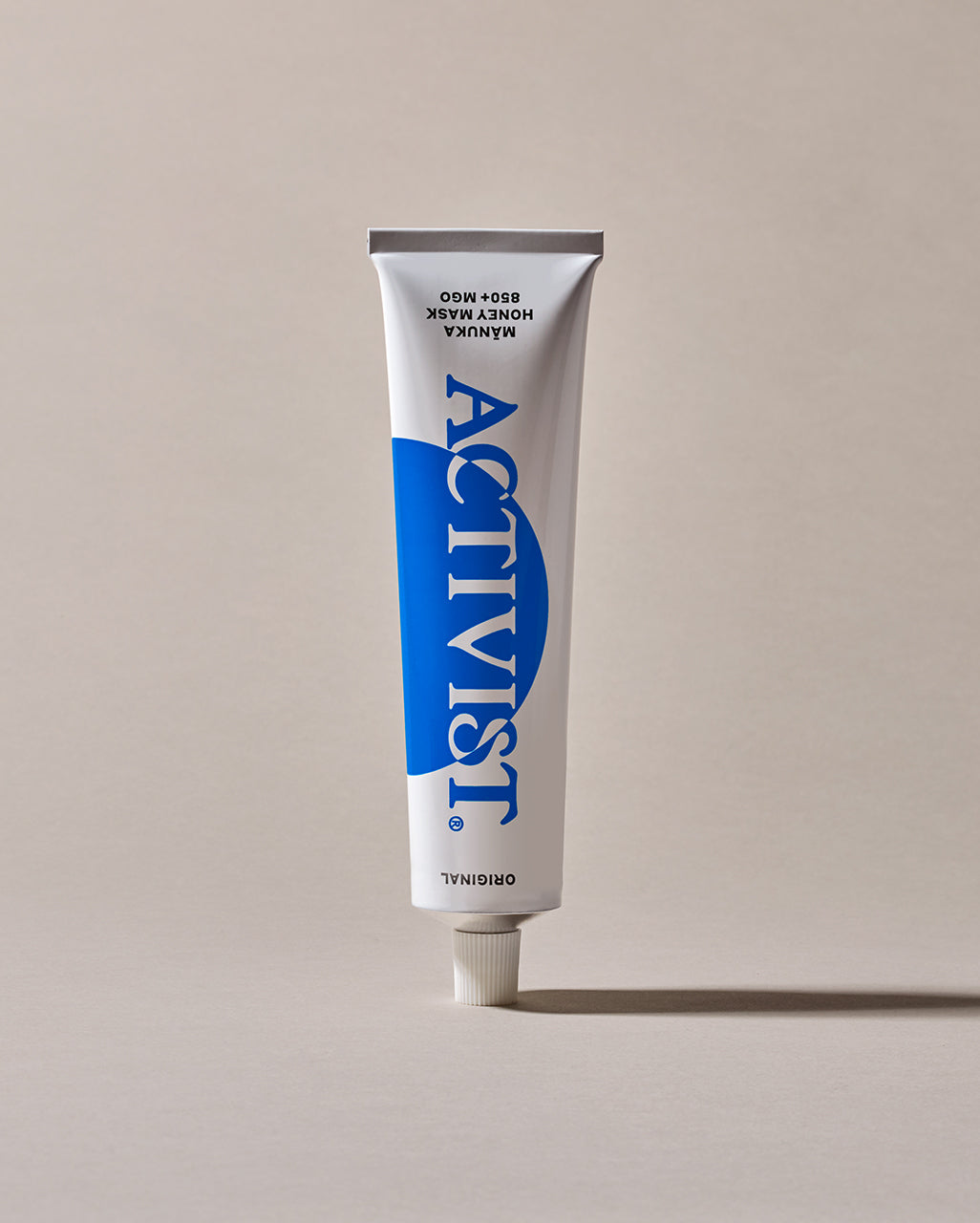
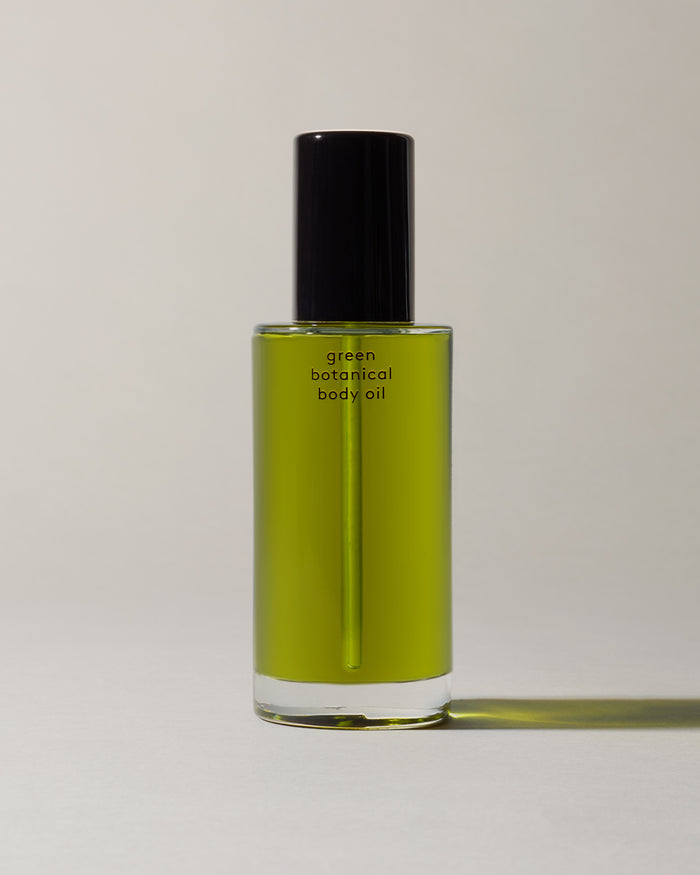
I have been using ACTIVIST in my skincare routine and my sensitive skin responds so well to it. I try to do a Mānuka Honey Mask at least once a week. It visibly lowers redness and inflammation immediately and is so hydrating. I use the Green Botanical Serum (which smells divine) every evening after a spritz of lavender hydrosol and the next day I wake up with noticeably bouncier and more even skin. The Mānuka Honey Lip Balm is always a staple in my purse. I also love eating Mānuka honey on everything. My everyday routine is a spoonful of honey in a glass of warm water with lime juice and trace minerals. I have also been experimenting with it in sweet/savory applications like salad dressings and drizzled over spiced roasted Japanese sweet potatoes.