Back to Culture

Food As Medicine:

Samantha Buchanan

Rooted in the principles of Chinese medicine, Dr. Samantha Buchanan, founder and lead practitioner of Pointe Acupuncture, approaches wellness through nourishment, rhythm, and respect for the body’s natural intelligence. In this conversation, she shares the daily practices that support her health, the foods and herbs she returns to again and again, and the simple ritual of Mānuka honey that her whole family loves.

Can you share a little about yourself and what first inspired you to study acupuncture and nutrition?

I came to Chinese medicine through curiosity and frustration with our medical system: curiosity about how the body truly heals, and frustration with how disconnected conventional care can feel from the whole person. Acupuncture, herbs, and nutrition offered a language that made sense to me; one that honors patterns, timing, individuality, and the body’s innate intelligence. I was especially drawn to how food and herbs are medicine, not in an abstract way, but in a daily, tangible, deeply nourishing way.

What does “wellness” mean to you, both in your practice and in your personal life?

Wellness used to feel like something you achieved. Now I see it as something you tend to. In practice, wellness means regulation — of the nervous system, digestion, hormones, sleep, and emotions. Personally, it’s about resilience and rhythm. I care less about perfection and more about how quickly I can return to center when life inevitably pulls me off balance.

What does a typical day of nourishment, movement, and self-care look like for you?

My days are grounded and simple. Warm foods in the morning (always, but especially in Michigan winters), protein-forward meals, and foods that support digestion and blood sugar stability. Movement is usually strength work, running, walking, biking, Pilates, or yoga. Self-care isn’t elaborate; it’s built into my day through pauses, breath, warmth, and making sure I actually eat between patients.

How do diet and supplementation complement the work you do with clients in the treatment room?

Acupuncture opens the door; nutrition and supplementation help keep it open. Needles regulate, but food and herbs rebuild. Herbs and targeted supplements help maintain momentum between visits, if needed. I see them as extensions of the treatment, ways to support the body continuously, not just when someone is on the table.
Are there any go-to foods, herbs, or remedies that you always keep on hand?

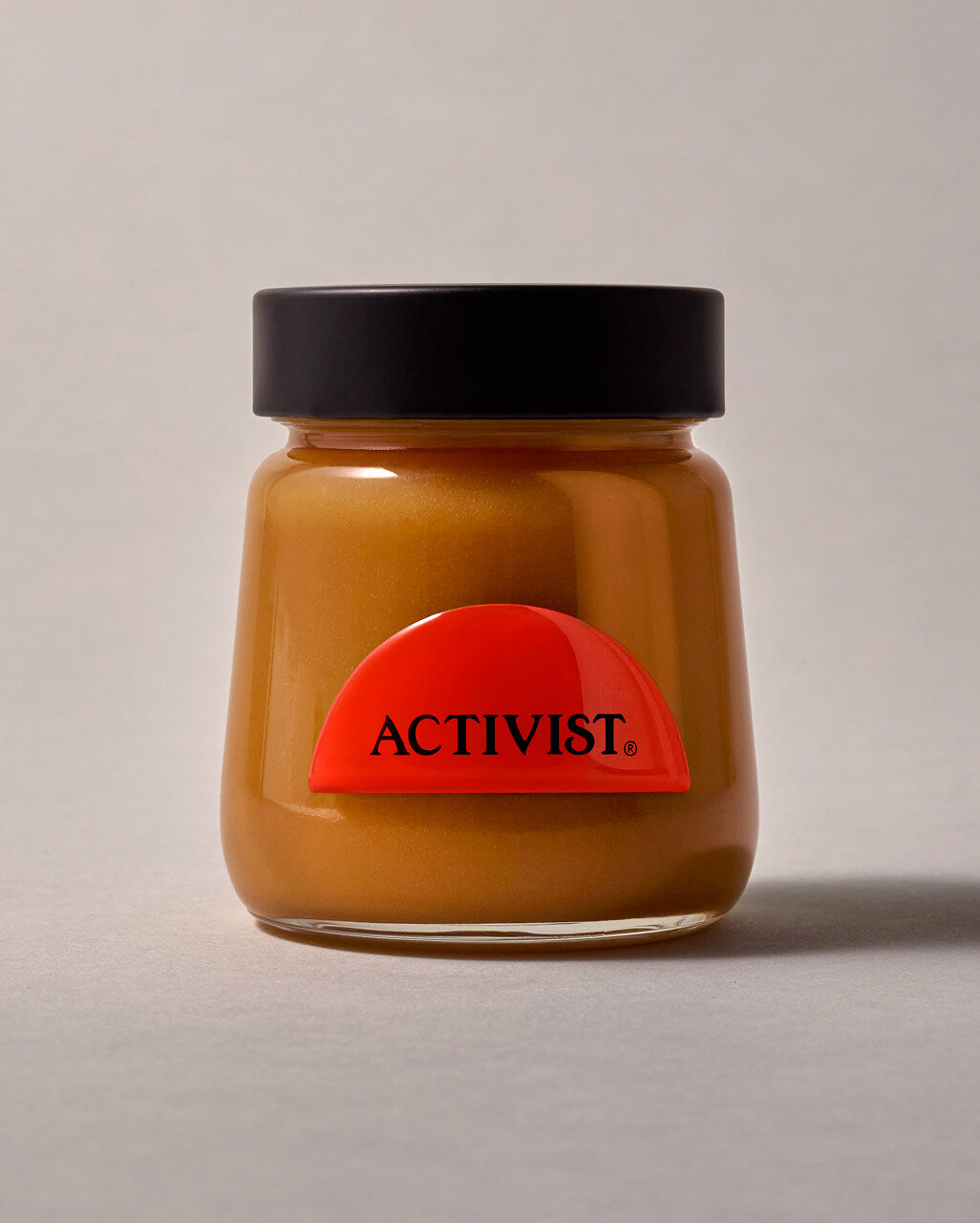
Absolutely! Fresh, local, seasonal produce; regenerative local meat and bone broth; mineral-rich salts; digestive bitters; adaptogenic herbs; and only the highest-quality honey. I’m particularly drawn to Mānuka honey for immune support, gut health, and its ability to soothe without overstimulating — something I value deeply from a Chinese medicine perspective. It is, of course, also a Chinese herb (Féng Mî) used to moisten the Lungs and Large Intestines. It can also help tonify the Qi, which is why it supports the immune system so well.

With a busy schedule, finding time for wellness can feel like a luxury. Are there small daily rituals or practices, beyond food, that help you stay grounded?

Yes, just micro-rituals. I love routines. Waking up before the whole house to set intentions, working out or stretching depending on how my body feels, dinner and gratitude with family, and protecting my sleep. These small acts signal safety to my nervous system, and that’s foundational for my health.

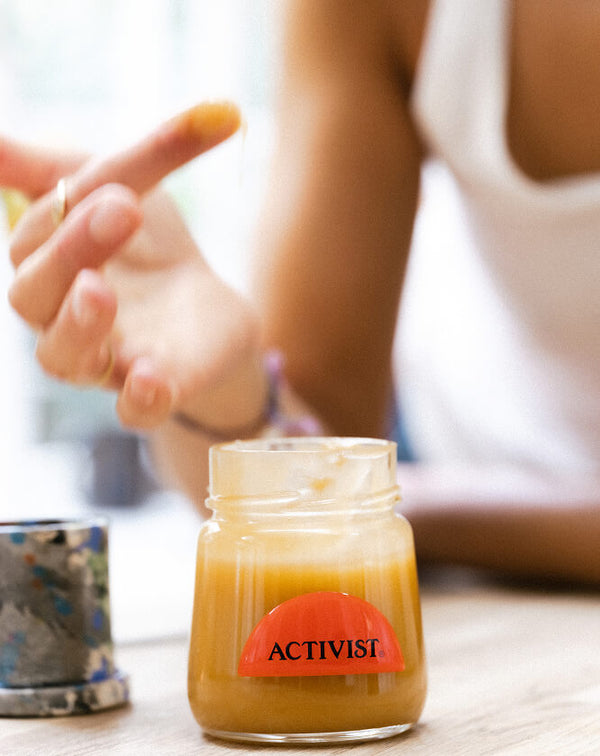
What’s your favorite way to enjoy ACTIVIST Raw Mānuka Honey?

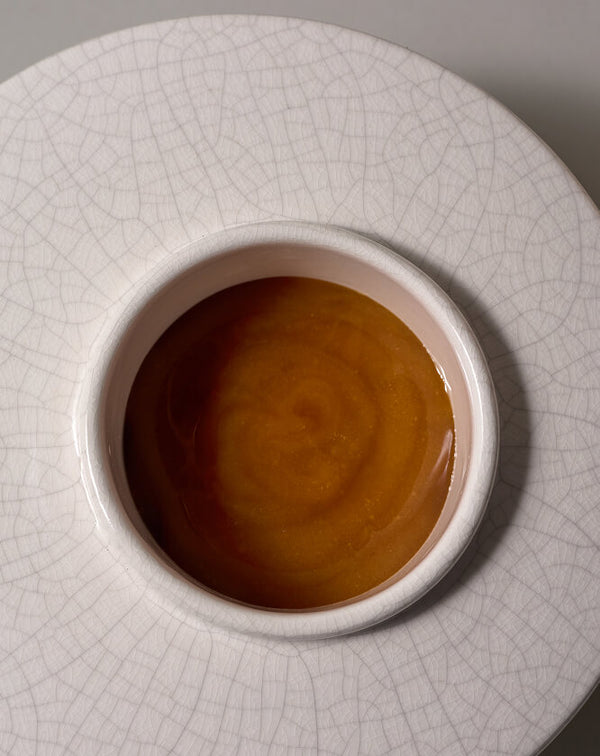
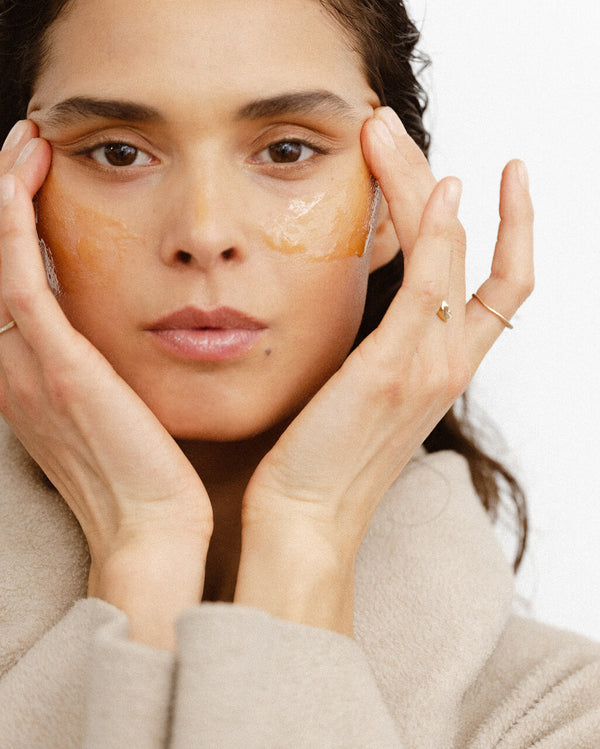
My favorite way is simple and intentional: a spoonful on its own or stirred into warm lemon water or tea in the morning. It’s both medicinal and grounding, a small ritual that feels ancient and modern at the same time. This routine is true for my whole family, kids 5 and 7, and we love it. I also have to mention its use for skin support: during cold, dry months, our skin feels it, so we use it as a mask on the face and hands in winter.