Back to Culture

Food As Medicine:

Luise Vindahl

Luise Vindahl doesn't believe in complicated. As a midwife, holistic nutritional therapist, mother of three, and the creator of Green Kitchen Stories (five cookbooks and a global community built around simple, nourishing food) she has spent more than a decade returning to the same essential truth: that what supports the body most is rarely extreme, and almost always approachable. We talk with Luise about routines, women's health, and small daily rituals that add up.

Can you tell us a little about yourself?

I’m a mother of 3, a midwife in gynecology, and a holistic nutritional therapist. For more than a decade, I’ve also been sharing our family’s way of cooking and living through Green Kitchen Stories together with my husband, David.

What started as a small creative project has grown into five cookbooks, a global community, and collaborations with some of the most inspiring publications, but at its core, it has always been about the same thing: simple, nourishing food and the rhythms of everyday family life. Our children have always been part of it, sometimes in the kitchen, sometimes just around the table.

Alongside that, my work as a midwife keeps me closely connected to women’s health in a very real way. It always brings me back to what matters most: care, nourishment, and supporting the body through its different seasons.

What does a typical day of meals, movement, and routine look like for you?

My days are quite structured in a way that really supports my energy and overall health.

I start early with work at the hospital. I prep my breakfasts and lunches on Sundays—things like eggs, chia yoghurt with blueberries and nut butter, and nourishing salads—so weekdays feel a bit more effortless. I also bring small things with me to work, like a green juice, a ginger shot, or a berry smoothie, just to keep my energy steady throughout the day.

Movement is a big part of my routine. I do Reformer Pilates, Lagree, and Barre three times a week, and I take a daily power walk at my lunch break or after work, which helps me reset. I’m lucky to live and work on Södermalm in Stockholm, where there are these beautiful coastal walking paths along the water. It’s beautiful all year, especially as the seasons shift.

Evenings are centered around family. I often cook a few batch recipes ahead of time, usually from our Green Kitchen at Home cookbook or Green Kitchen – Quick & Slow cookbook, so dinners during the week are simple but still nourishing.

How do you help people weave 'food as medicine' into their everyday, in a way that feels realistic and sustainable?

“Food as medicine” doesn’t need to be complicated. It really comes down to quality, consistency, and simplicity.
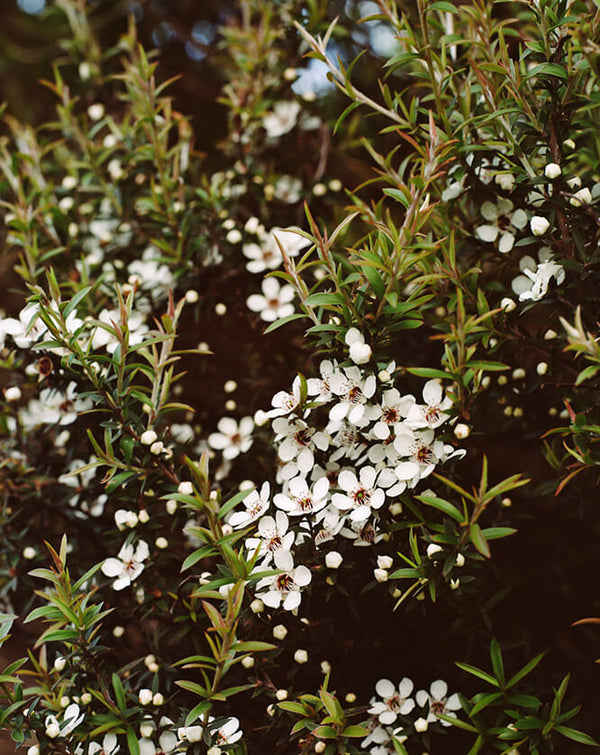
I always come back to using good ingredients that naturally support the body—things like sourdough bread, fermented foods like sauerkraut and kefir, good olive oil, and ingredients with real benefits like turmeric, Mānuka Honey, vinegar, ginger, and garlic. It’s less about trends and more about choosing foods that are great quality and contain high nutritional value. Vegetables are a big foundation for me, eating a lot of them in different colors across the day. Alongside that, I focus on getting enough quality protein and building meals that feel balanced and satisfying. Digestion and stable blood sugar play a big role as well. Eating regularly, combining protein, fats, and fiber, and keeping things steady rather than extreme—all of it adds up over time.

I often encourage people to think in terms of addition rather than restriction. What can you bring in that supports you? It can be very simple. And I think that’s important: simple is good. When food feels approachable, enjoyable, and part of your everyday life, that’s when it really becomes sustainable.
Finding time in the kitchen can be challenging with little ones – how do you make time?

With three kids, it’s always been about keeping things simple and involving them where it makes sense. When they were younger, we created Little Green Kitchen Kids Cookbook together, which was such a special way to bring them into the process and share that knowledge.

Now it’s more about shared responsibility and keeping things doable in a busy schedule. Some days I prep ahead; other days it’s a very simple meal pulled together quickly. I think the key is to see cooking as part of the rhythm of the home, rather than something separate you have to “find time” for. And I’m a big fan of keeping it flexible. Sometimes that means breakfast for dinner—whatever helps create a calmer, stress-free everyday with kids.

As a certified midwife, you work closely with women across different life stages. How does your perspective on food and nourishment shift when it comes to supporting women through perimenopause?

Perimenopause is a phase where the body really asks for a different kind of support. Nutritionally, I focus more on stability: regular and balanced meals, enough protein, complex carbs, and healthy fats. Especially ingredients like broccoli, kale, cauliflower, Brussels sprouts, and other cruciferous vegetables, which I value for women’s health. These things become foundational for energy, mood, and hormonal shifts.

At the same time, it’s important to acknowledge that this isn’t just about nutrition. Many women benefit from medical support, such as HRT prescribed by a medical practitioner. HRT can both be a treatment for perimenopause and menopause symptoms and preventive medicine for many other serious health conditions.

What are some common misconceptions about menopause that you wish more women understood?

That it’s something to endure rather than a transition that can be supported and treated. There’s also this quiet acceptance that feeling exhausted, out of balance, or disconnected is just part of it. While those experiences are common, they’re not something we should ignore. With the right support—nutrition, rest, small lifestyle shifts, and medicine—many women can have a high quality of life through this phase.

I also think it’s important to understand that the body is changing, and what worked before may need to evolve. There’s something empowering in learning to support yourself in a new way.

What's your favorite way to incorporate ACTIVIST into your day?

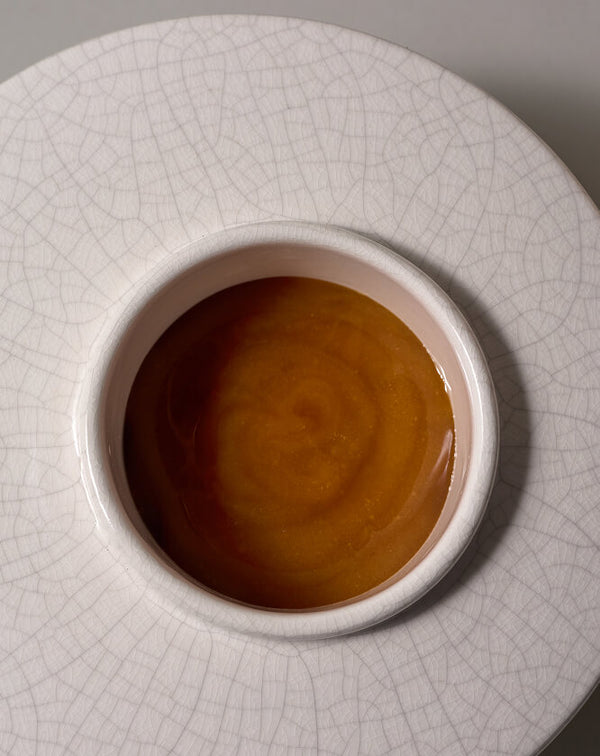
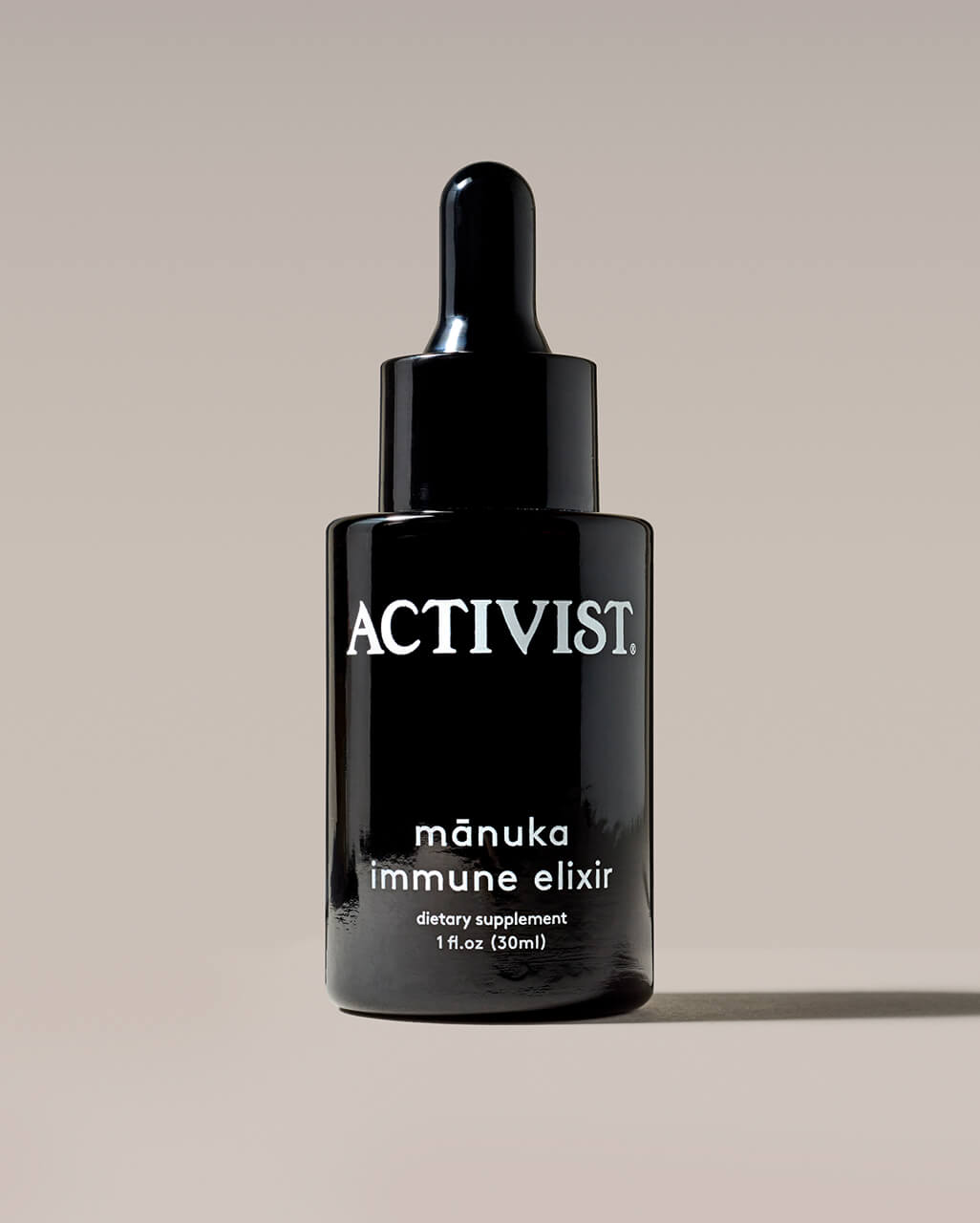
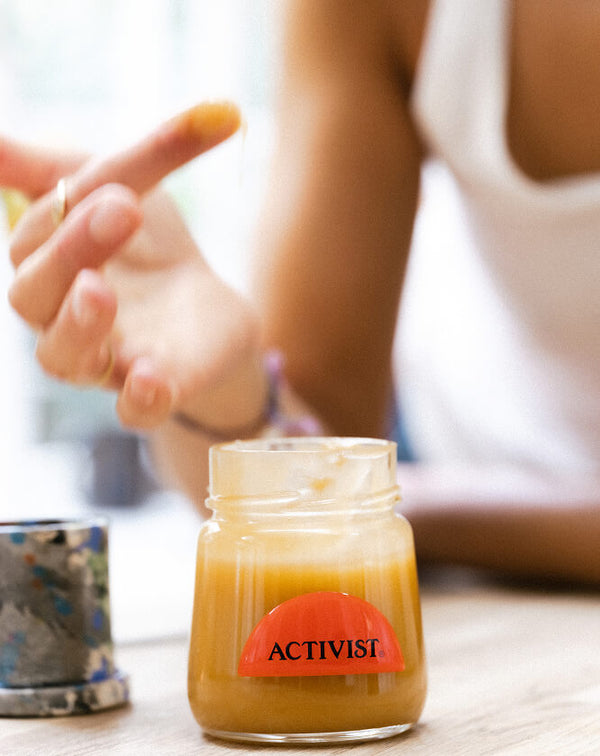
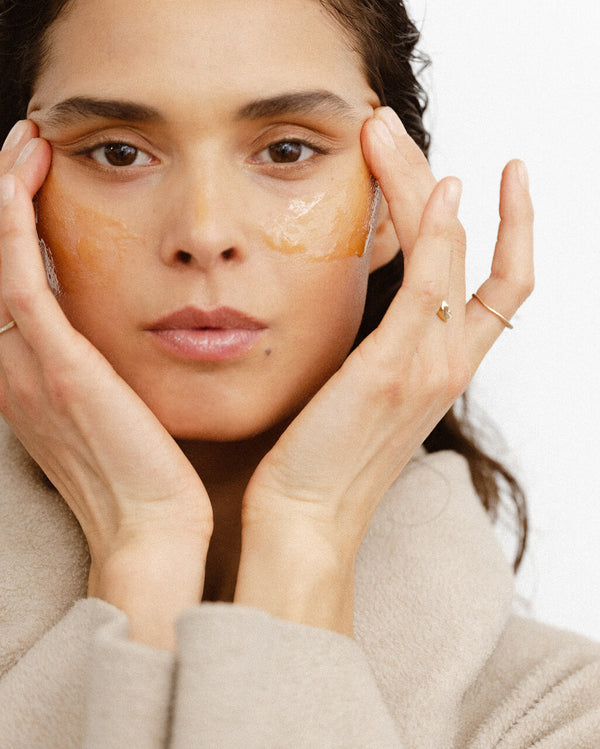
Often it’s a spoonful of honey drizzled over yoghurt in the morning, or stirred into warm tea in the evening as a grounding ritual to end the day. I love to use it stirred into salad dressings too—so good with dino kale—or with freshly baked bread. The Mānuka Immune Elixir and the Green Botanical Serum are two daily favourites of mine. There’s something I really appreciate about its purity and the care behind how it’s produced. It turns even the smallest moment into something more intentional.